
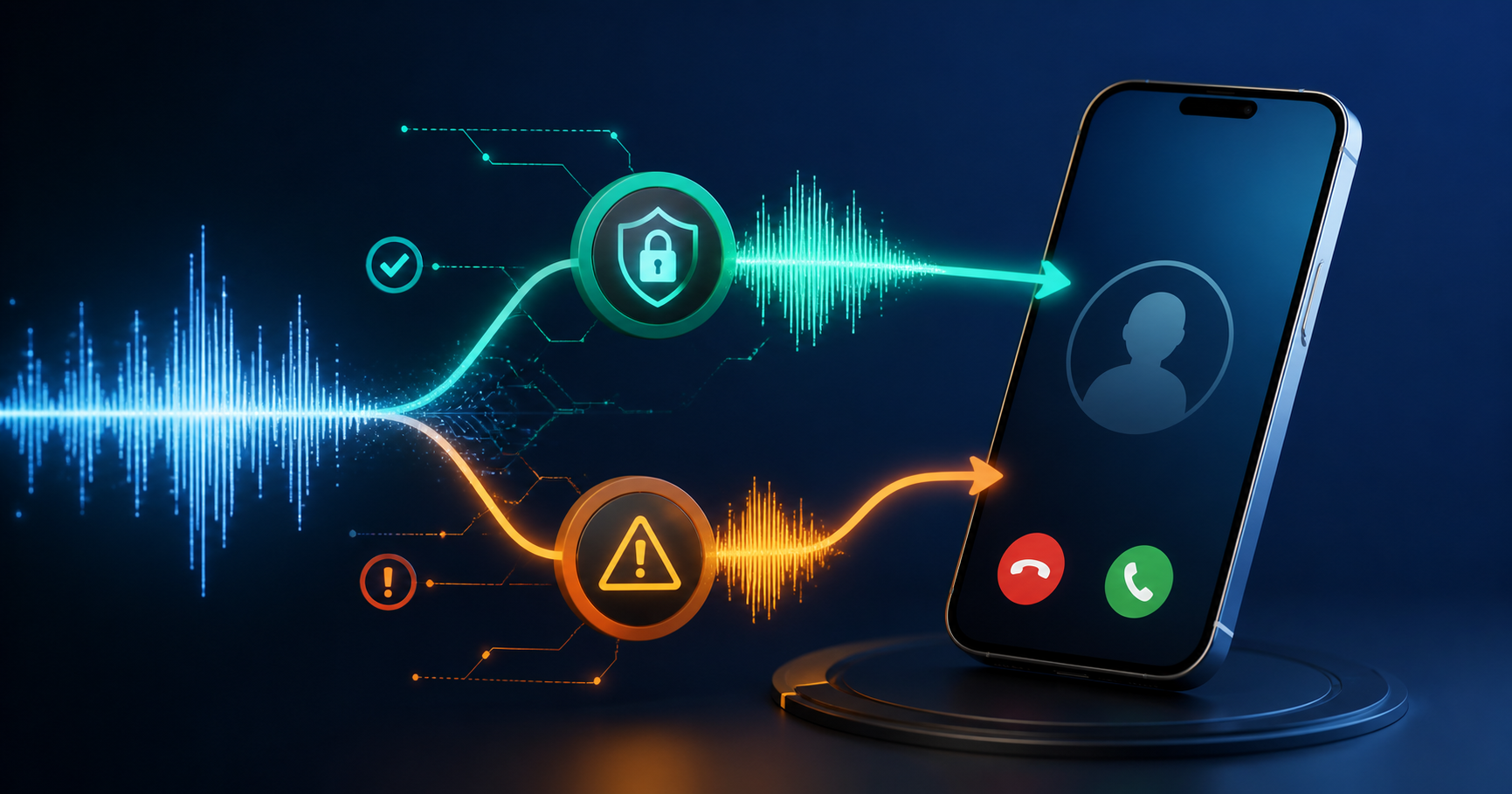
On-device scam call warnings can help users pause before sharing codes, but businesses still need strict OTP policies, official support channels, and recovery controls.
AI voice scams are becoming harder for ordinary users to spot. Google has been adding scam-detection work across Android and Phone by Google, including protections designed to warn users during suspicious calls and risky conversations.
For Nigerian sellers, freelancers, and support teams, this is more than a consumer phone feature. Many account takeovers start when someone pretending to be a buyer, bank, delivery agent, or platform support representative calls at exactly the moment a verification code arrives.
Why voice scams affect OTP safety
A caller does not need to break SMS delivery to steal an account. They only need to pressure the user into reading a code, tapping a prompt, installing an app, or opening a fake link. AI-generated voices make that pressure more convincing because scammers can sound more professional, local, or urgent.
On-device detection can help users pause, but it should not be the only defense. A strong habit still matters: no legitimate support agent should need your OTP.
What businesses should update
Train staff never to request customer OTPs by phone or chat.
Publish one official support number and keep it separate from verification numbers.
Use in-app confirmation for sensitive changes instead of phone-only approvals.
Flag support requests that combine urgency, remote access apps, and verification codes.
Give users a clear way to report impersonation attempts.
What users should do during a suspicious call
End the call, open the official app or website yourself, and check the account from there. Do not click a link sent during the call. Do not install a screen-sharing app. Do not read any code aloud, even if the caller already knows your name, order number, or bank.
Where BillioPlus fits
BillioPlus helps users receive SMS verification codes online for supported services and testing flows. It can reduce exposure of a personal SIM during non-critical signups, but it does not replace account recovery planning.
For accounts tied to money, identity, or business reputation, use a stable recovery number, passkeys where available, backup codes, and strict support procedures.
Conclusion
AI call detection is useful, but the strongest rule remains simple: codes are for login screens, not callers. Any workflow that teaches users to share OTPs by voice is already unsafe.
Source: Google Android scam detection update and Google Android security and privacy updates.
Tags
Chinedu Celestine Okpala
BillioPlus Team · Content & Guides