
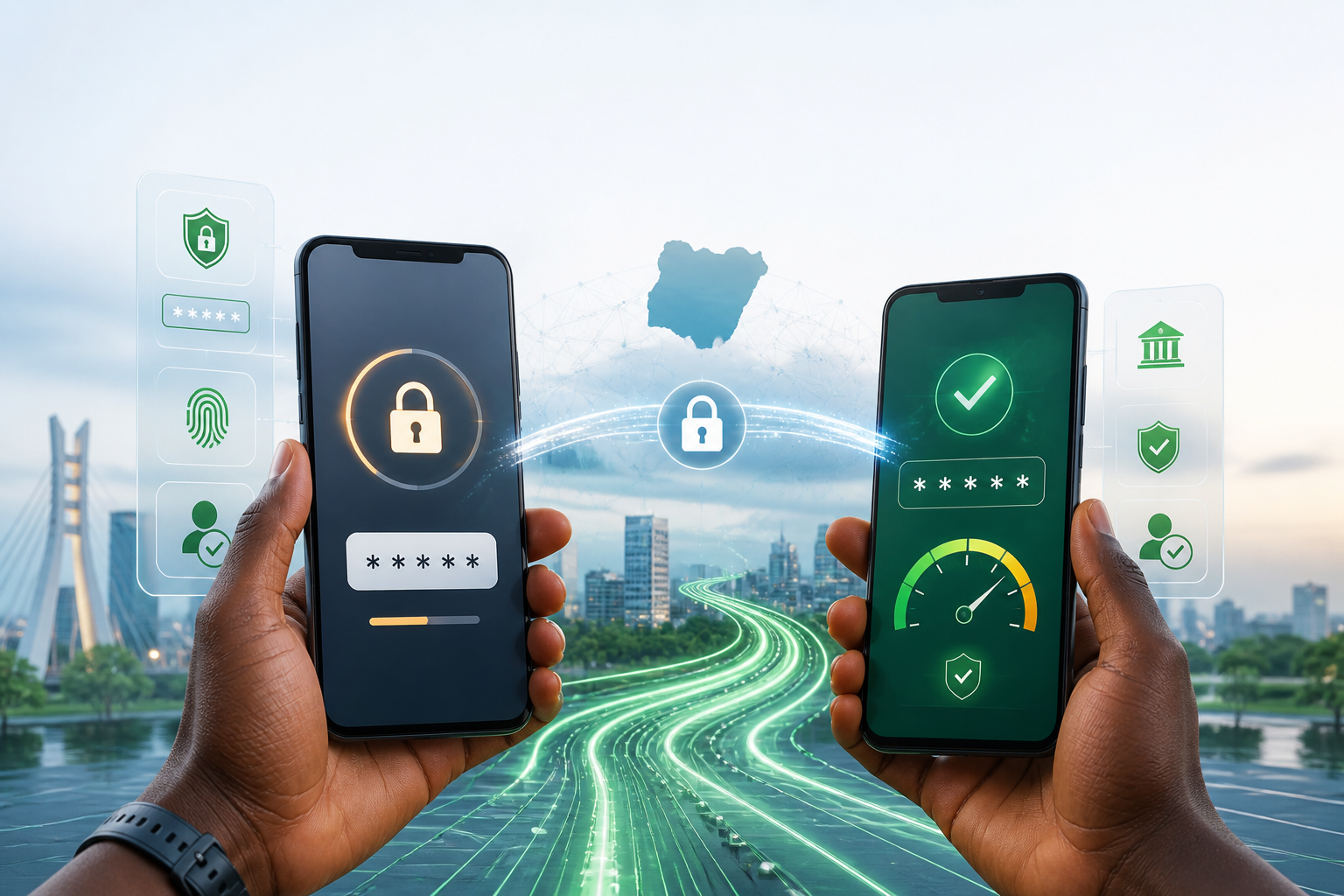
CBN instant-payment guidance took effect in July 2026 with stronger identity checks, MFA, and one-device mobile banking expectations. Phone changes now need planning.
Changing phones used to be a simple personal upgrade. For digital banking and payment apps, it is now a security event.
The CBN's 2026 reform update says instant payment standards took effect on July 1, 2026. The guidance includes stronger identity verification for online account opening and reactivation, MFA around opt-in and opt-out controls, real-time fraud monitoring, and a one-device mobile banking expectation. It also says a newly activated device carries a temporary N20,000 transaction limit for the first 24 hours.
Why device binding matters
Device binding helps reduce account takeover. If a fraudster obtains a user's password or OTP, the bank can still treat a new device as higher risk and slow down sensitive actions.
That is good for security, but it means users should prepare before changing phones, losing a device, or resetting an app.
What can go wrong
Many account lockouts start with small oversights. A user changes phones, loses access to their SIM, forgets backup codes, and then cannot pass the recovery checks needed to reactivate mobile banking.
For business owners, this can interrupt sales, supplier payments, subscription renewals, payroll, and customer refunds.
Prepare before changing phones
Confirm the phone number attached to your bank and wallet accounts.
Update recovery email and backup contact details.
Save backup codes for services that provide them.
Move authenticator apps carefully before wiping the old phone.
Do not approve unknown device-change prompts.
Where virtual numbers fit
Virtual numbers are useful for supported app testing and privacy-sensitive verification, but they should not replace the permanent number that controls your regulated banking recovery.
For developers and QA teams, BillioPlus can help test OTP delivery and signup flows without repeatedly exposing a personal SIM. For banking recovery, keep a stable number under direct control.
What developers should learn
Apps that use phone verification should treat device changes as a journey, not a single screen. Users need clear prompts, sensible cooldowns, backup paths, and fraud monitoring that catches risky behavior without locking out legitimate customers unnecessarily.
Conclusion
Device binding makes account takeover harder, but it also raises the cost of poor recovery planning. Users should know which phone number controls each important account before a phone change becomes urgent.
Tags
Chinedu Celestine Okpala
BillioPlus Team · Content & Guides